Surviving a Breakup: What a Rabbi Wants You to Know
You didn't just lose a person. You lost a version of yourself — the one who believed this would last, the one who planned a future around someone else's presence. That kind of loss doesn't just hurt. It hollows you out.
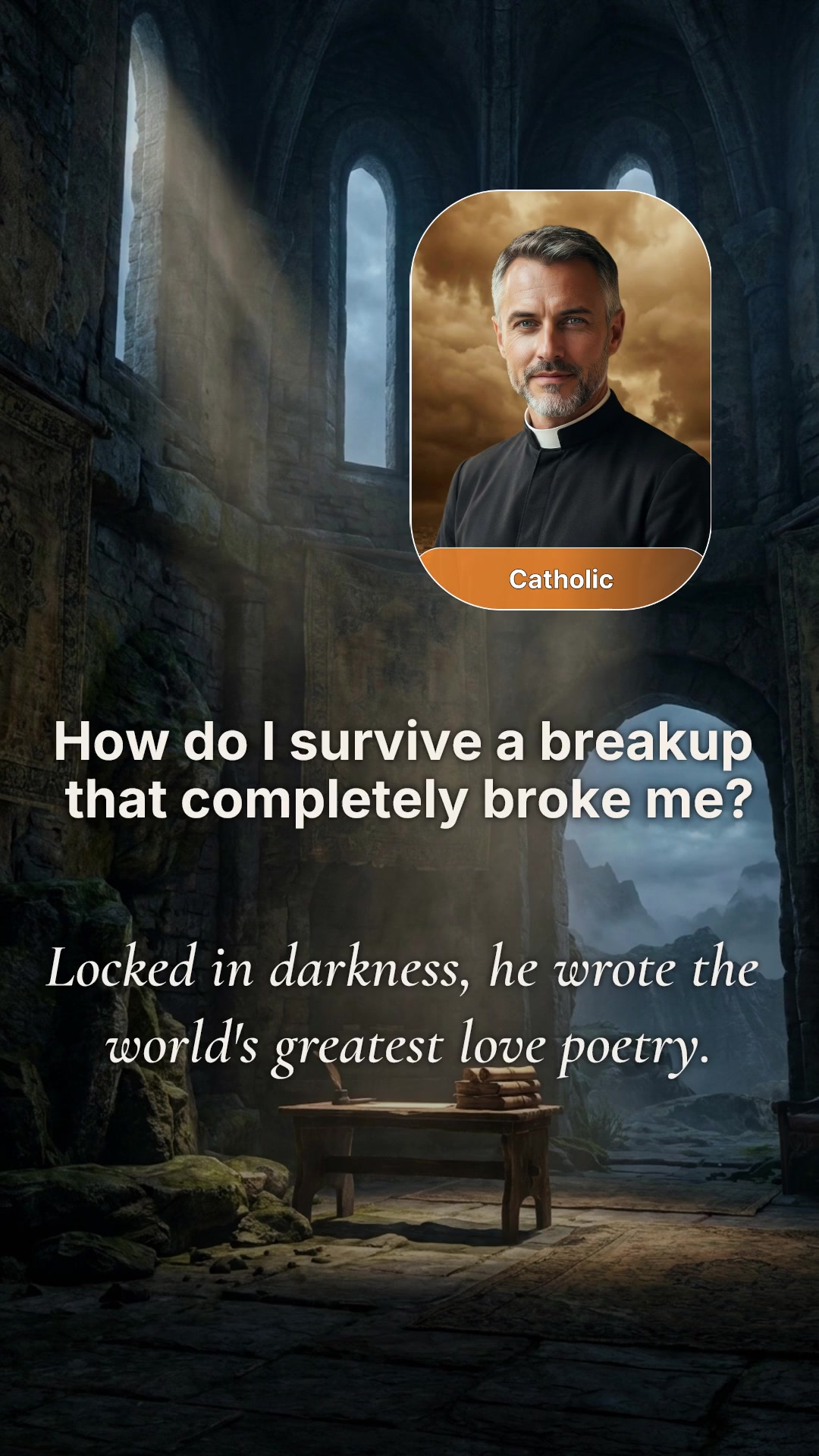
This is one of the most human questions there is. Not because breakups are rare, but because they expose something we don't talk about enough: how much of ourselves we pour into another person. When that connection ends, it doesn't feel like a chapter closing. It feels like the book catching fire. People ask this question from dark rooms, at strange hours, wondering if the person they used to be is ever coming back.
The Rabbi doesn't offer comfort in the way you might expect. There's no gentle instruction to breathe, rest, and give it time. Instead, this guide reaches into the Jewish tradition and pulls out something far more surprising — the permission to argue. In Jewish thought, grief and anger and protest are not signs that something has gone wrong with you. They are signs that you are still in relationship with life. The Talmud, which is the great written record of Jewish debate and teaching, contains a remarkable line: God says, in effect, that people keeping the practice matters more than people remembering Him. The relationship survives even when the feeling is gone. You keep showing up. That is the point.
The Rabbi also points to Elie Wiesel, one of the most important Jewish writers of the twentieth century, who survived the Holocaust and wrote about watching his father die in a concentration camp. Wiesel did not walk away from God in silence. He argued. He wrestled. He stayed loud. This is the Jewish move — not quiet acceptance, not tidy healing, but an active, sometimes furious engagement with the pain itself. The Rabbi is suggesting that your brokenness right now is not a problem to fix. It is a conversation waiting to happen. The question is: what are you refusing to put down? What part of this love, this loss, this version of yourself are you still holding — and what does that tell you about what mattered most?
The most powerful idea here is this: you are not supposed to come out of this unbroken. You are supposed to come out of it louder. Survival, in this tradition, doesn't mean returning to who you were. It means staying in the fight — with your grief, with your questions, with life itself.
Imagine someone sitting at a kitchen table at two in the morning, reading old messages they know they shouldn't. They're not doing it to torture themselves. They're doing it because they're not ready to let go of the argument — the one they never finished, the one where they still have something to say. The Rabbi would look at that person and say: good. Stay there a little longer. Not forever. But don't run from it yet. That anger, that refusal, that loud ache — that is you, still alive, still in it. That is not weakness. That is the beginning of something.
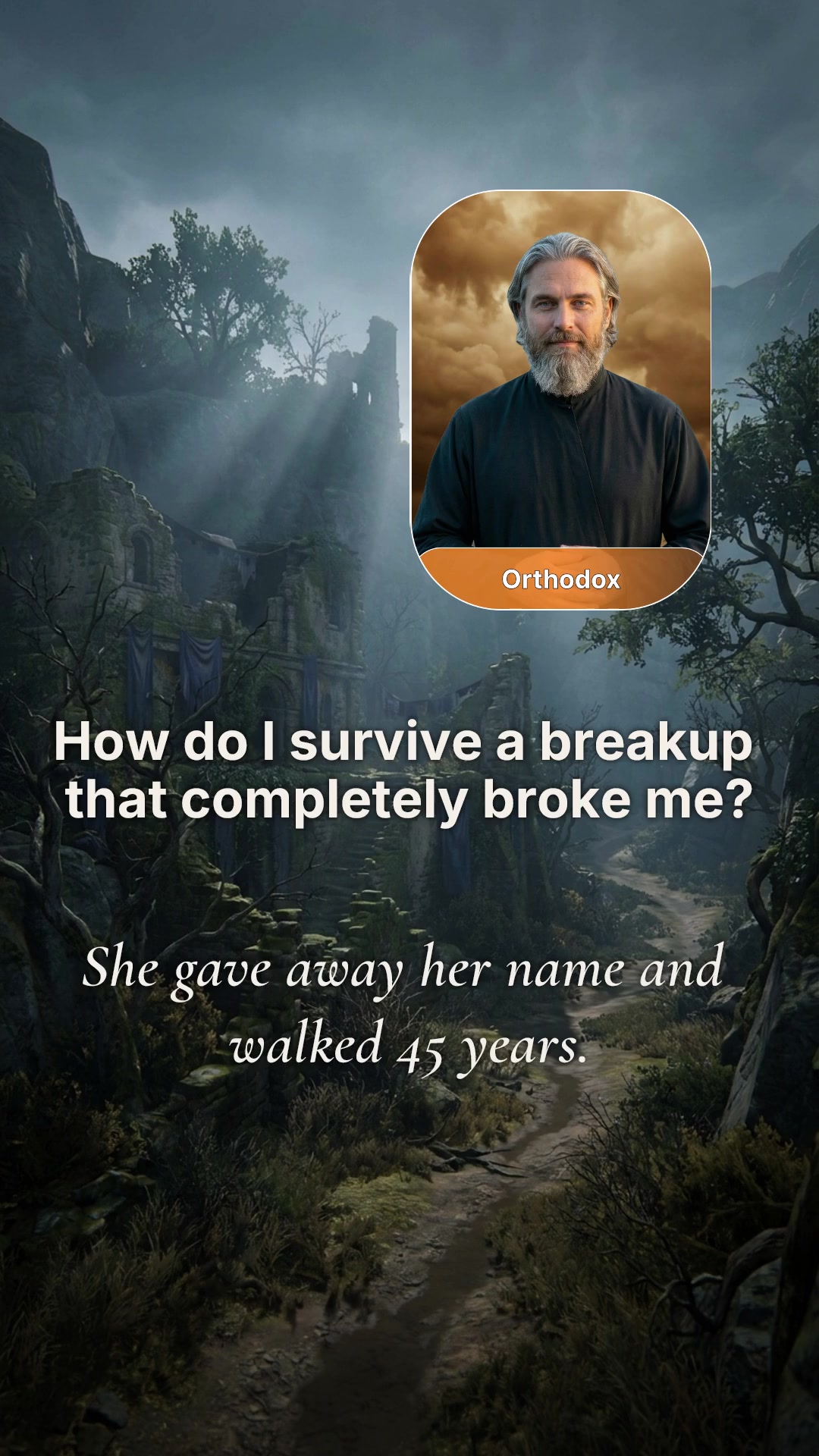
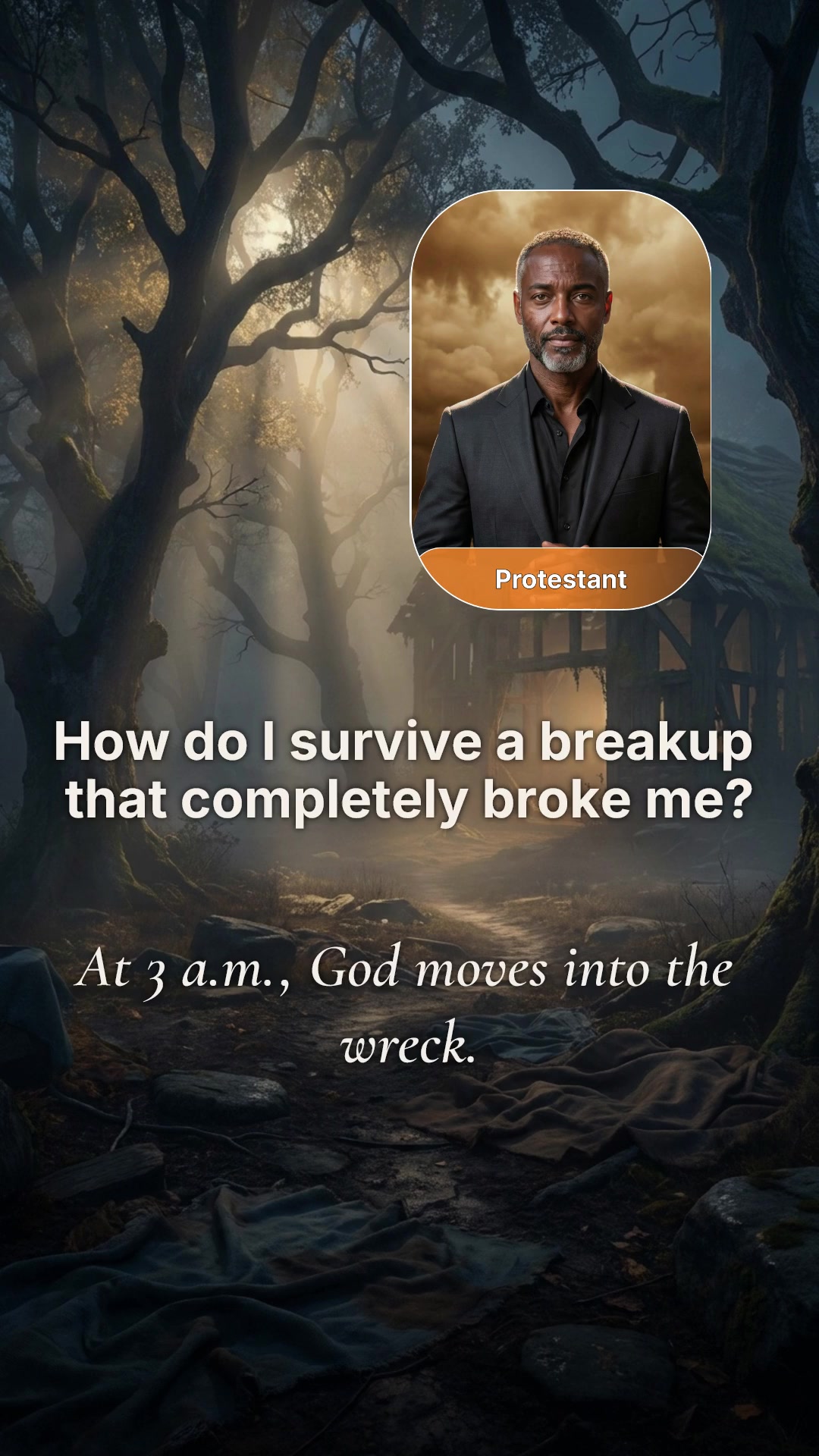
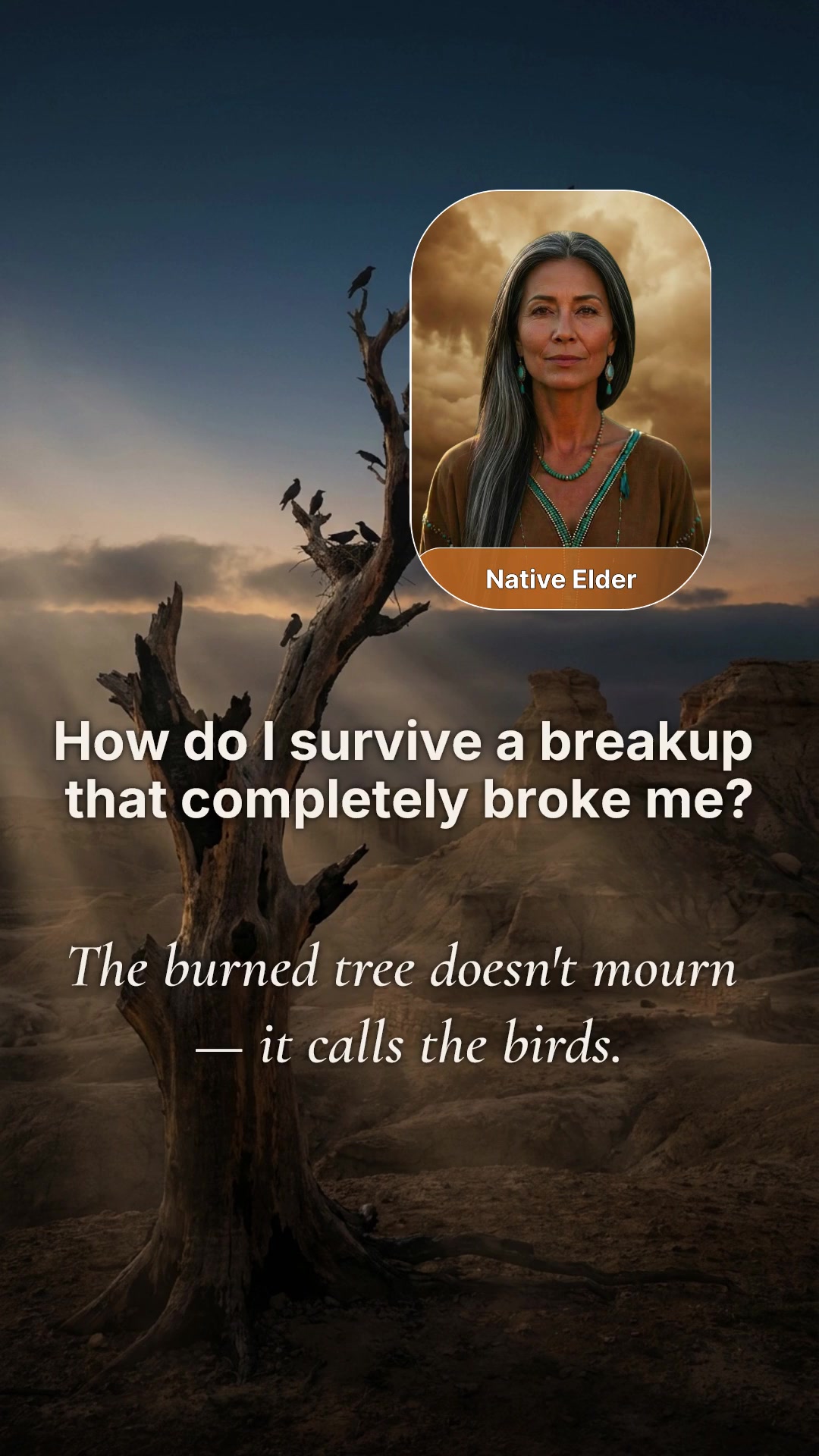
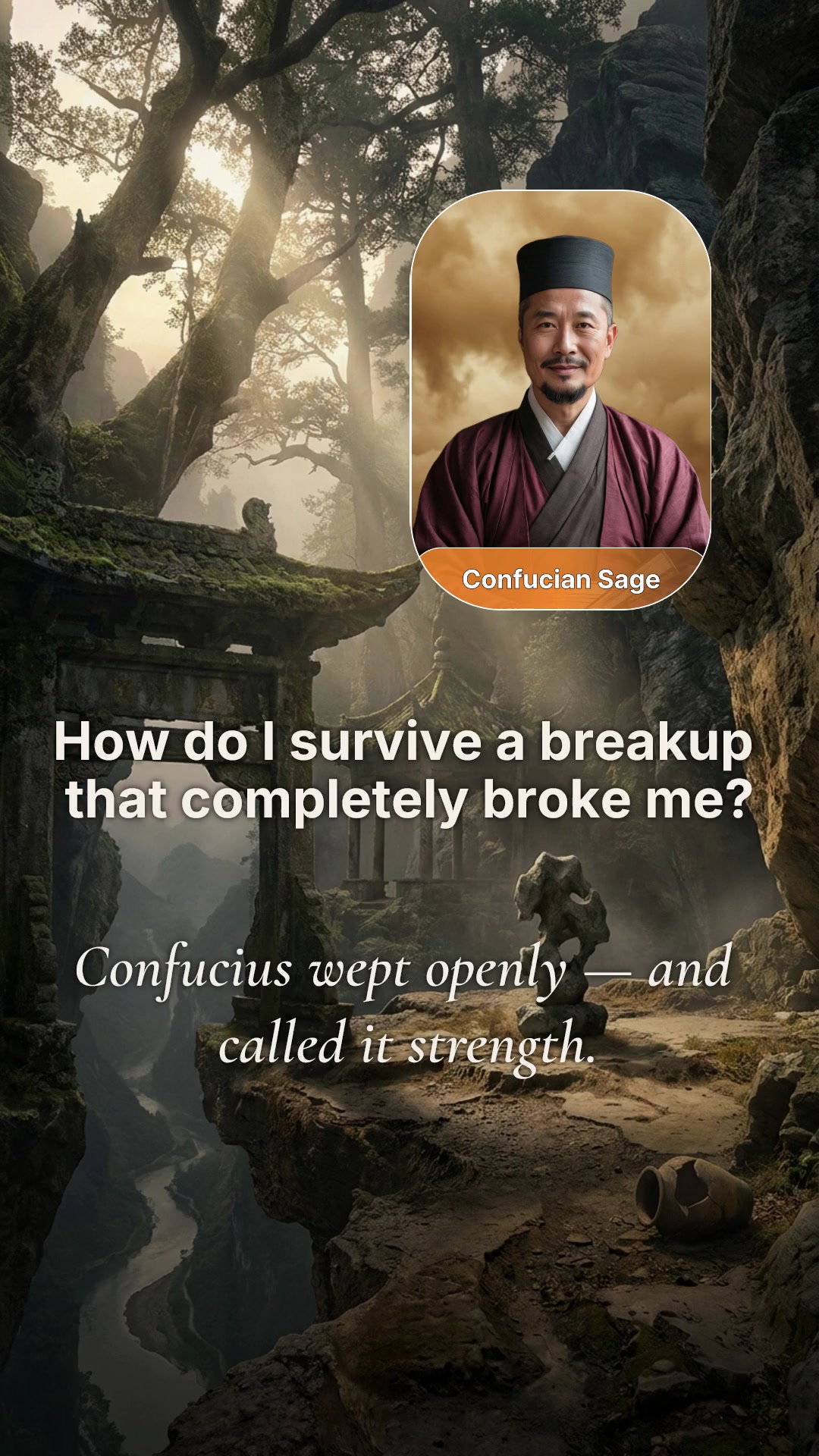
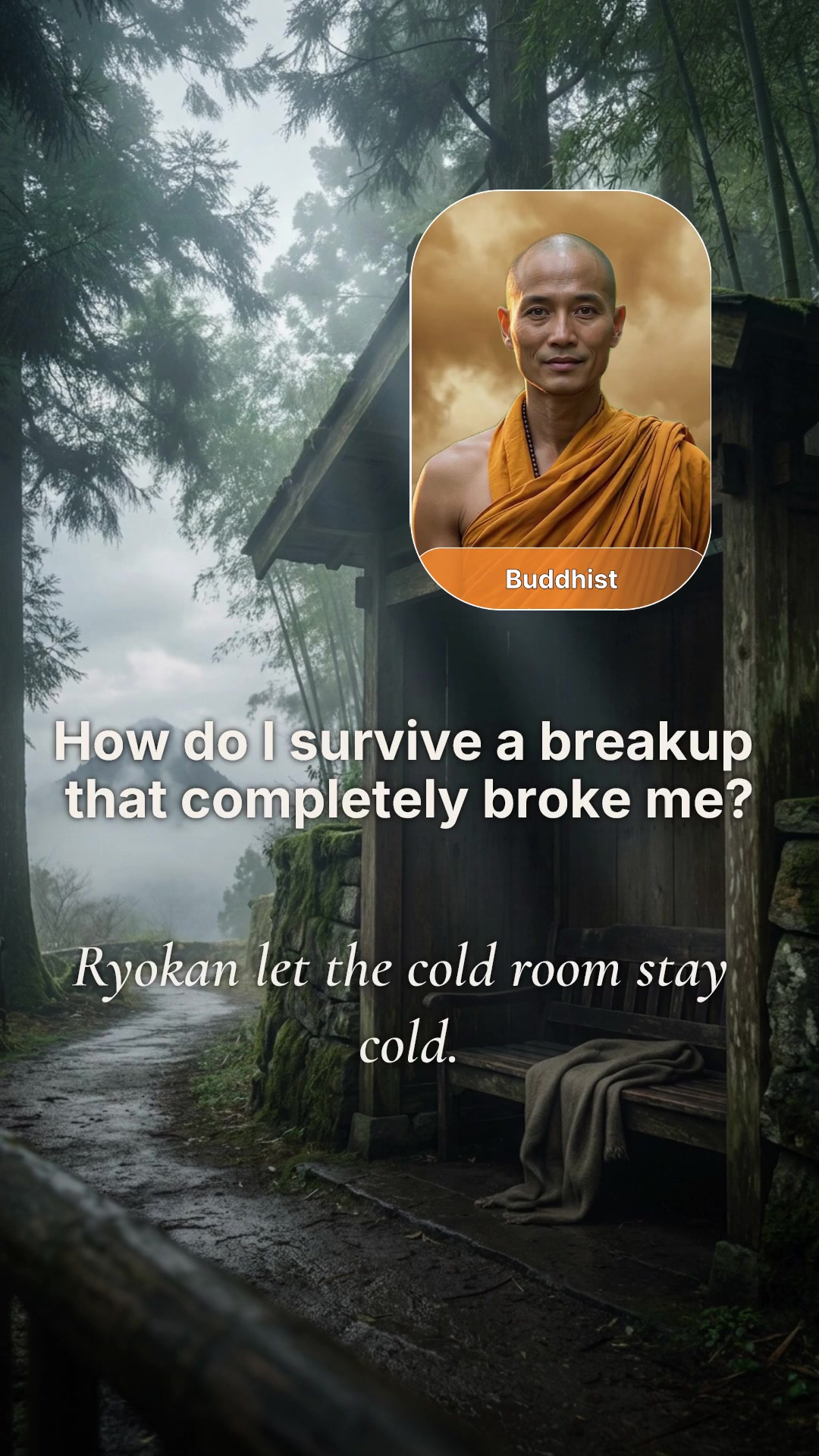
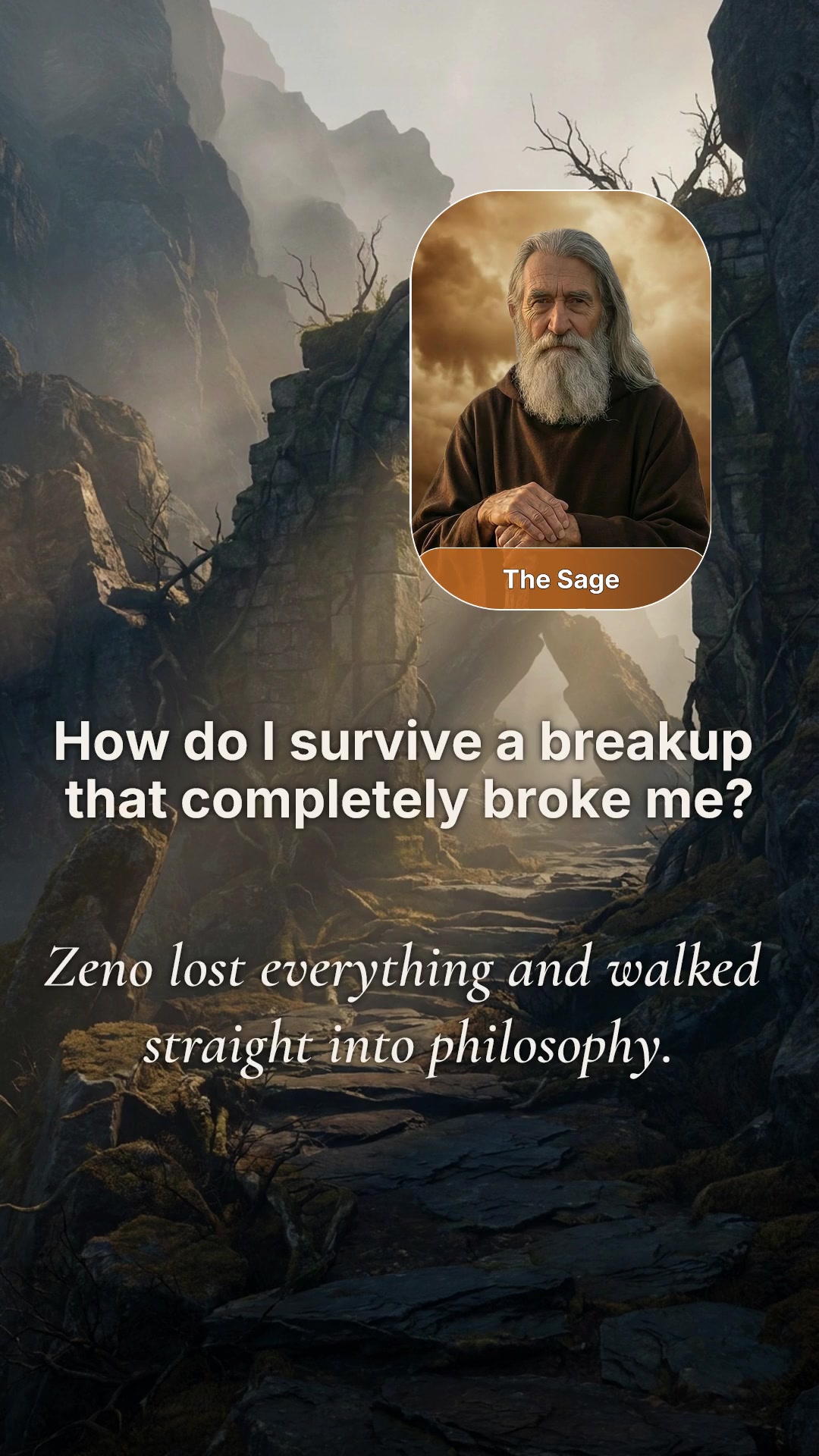
Other guides on Wisdom Dialogue might take this question in entirely different directions. A Buddhist Sage might gently ask whether the self that feels broken was ever as solid as it seemed. A Daoist Sage might suggest that the river doesn't mourn the banks it leaves behind. A Native Elder might speak about grief as something the land itself holds with you. A Protestant guide might point toward grace arriving in the places we least expect it. One question. Nine different paths.
See why they disagree — and decide what echoes in you.
One question. Nine perspectives
See how different AI guides answer the same question: “How do I survive a breakup that completely broke me?”
Fresh reflections, thoughtful answers, and video insights from our guides — for moments when you need clarity, comfort, or perspective.